
How We Break Down a Script: From Frozen to Matilda
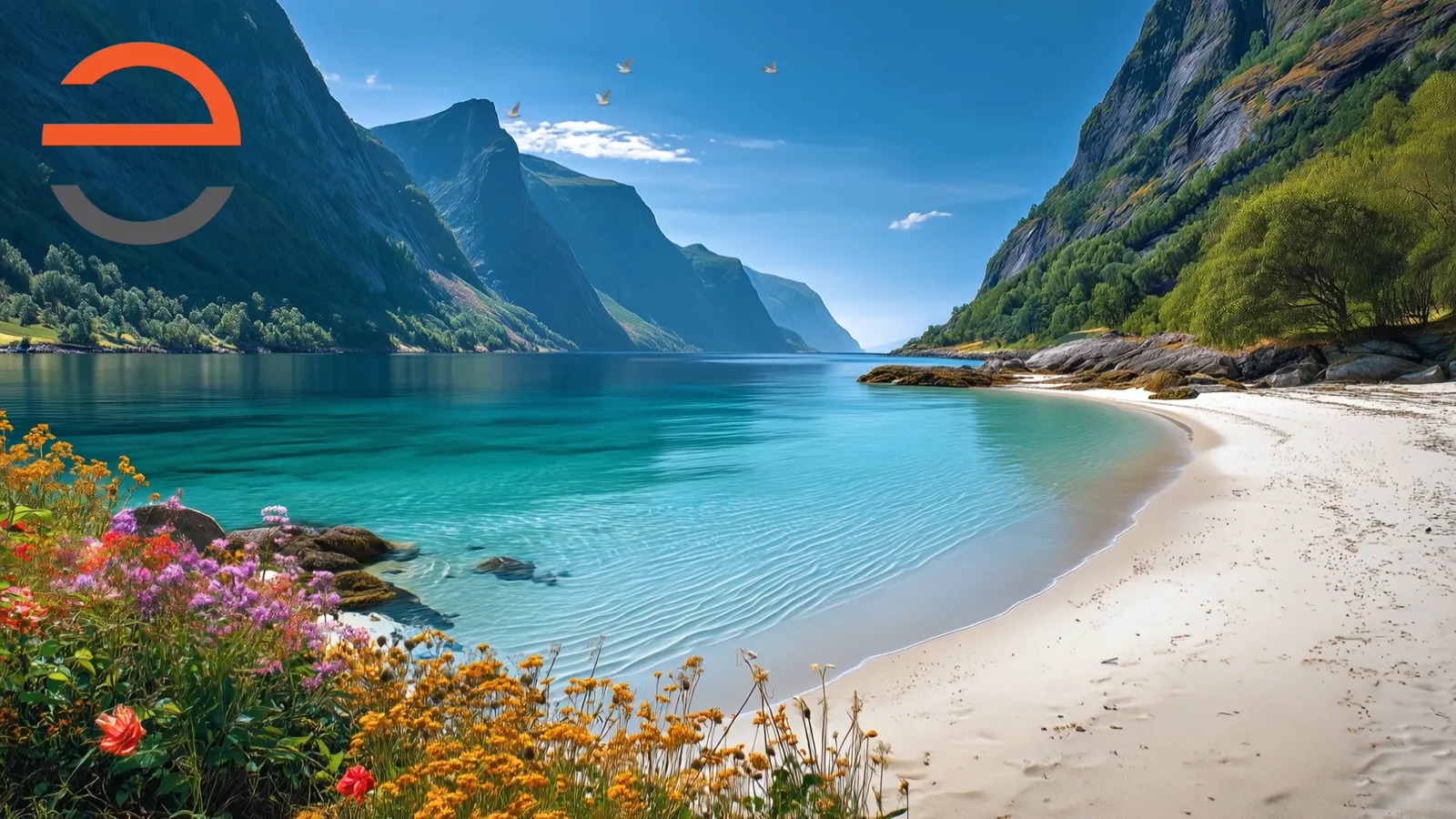
People see the finished backdrops - the ice palace, the reef, the fjord - and understandably assume our work starts in our edit suite. It doesn't. It starts at a table with the script, a highlighter, and a lot of questions we ask about every single scene before we ever open a project file.
We start every show with a full script breakdown, scene by scene, before any animation begins. On a show with a big cast of locations, that can mean anywhere up to 40 individual scenes, each one getting the same level of scrutiny - whether it's the moment the whole show hinges on or a ten-second scene change nobody will consciously remember. The backdrop doesn't know which one it is. It just needs to be right.
The Questions We Ask of Every Scene
For each scene, before we design anything, we ask the same set of questions:
Why does this scene matter to the story? What's actually happening emotionally or dramatically here, and what does the backdrop need to do to support that - recede into the background, or carry some of the weight itself?
What does this scene need to convey to support the actors? A performer working in front of a projected backdrop is still doing the acting. Our job is to give them a world that helps the moment land, not one that competes with it.
Is the location real? And if it is, what does it actually look like - not the version of it that's become a stage shorthand, but the real place.
What lives there? Wildlife, plant life, architecture, weather - the details that make an environment feel specific instead of generic.
That last one sounds small until you start applying it show by show.
Research in Practice: Getting the Specifics Right
Frozen: Researching Arendelle's Fjords
For Frozen, the script calls for the North Mountain and Arendelle's fjords. Rather than default to the kind of generic mountain-lake backdrop that's an easy shorthand for "cold, Scandinavian-ish place," we researched actual Norwegian fjords. We did the same with the wildlife: the birds flying beyond those cliffs in our backdrops are Ivory Gulls, a real Arctic species, not a generic bird silhouette. It's a detail most audiences won't consciously clock. But it's the difference between a backdrop that feels researched and one that feels borrowed.
Moana: The Other Side of the Climate
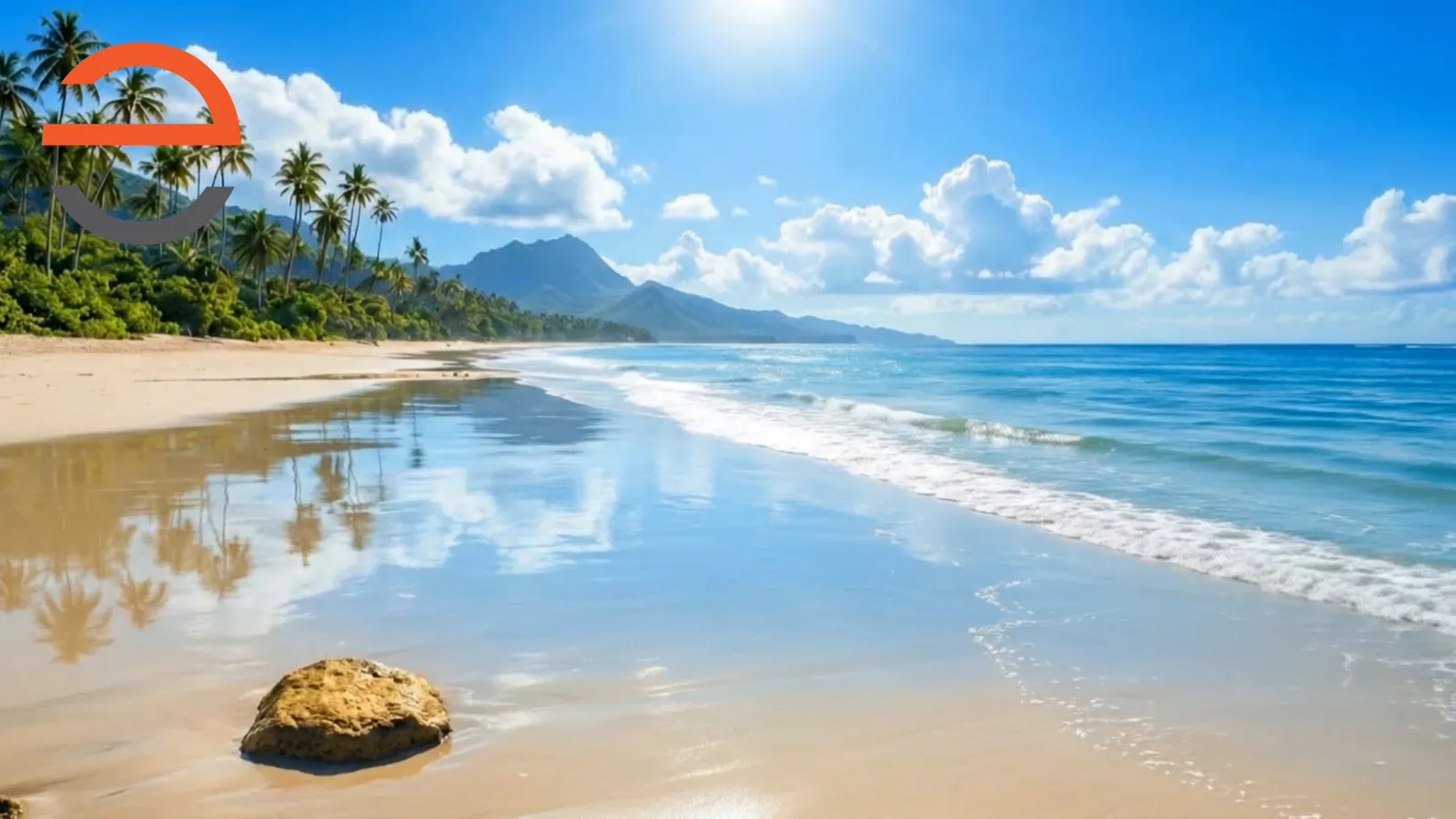
Moana got the same treatment on the other end of the climate - Lorikeets instead of Ivory Gulls, because the wildlife in a Pacific island setting is a completely different palette, and getting it wrong would be just as noticeable to the wrong person as getting Arendelle wrong.
Into the Woods: When the Location Isn't Real
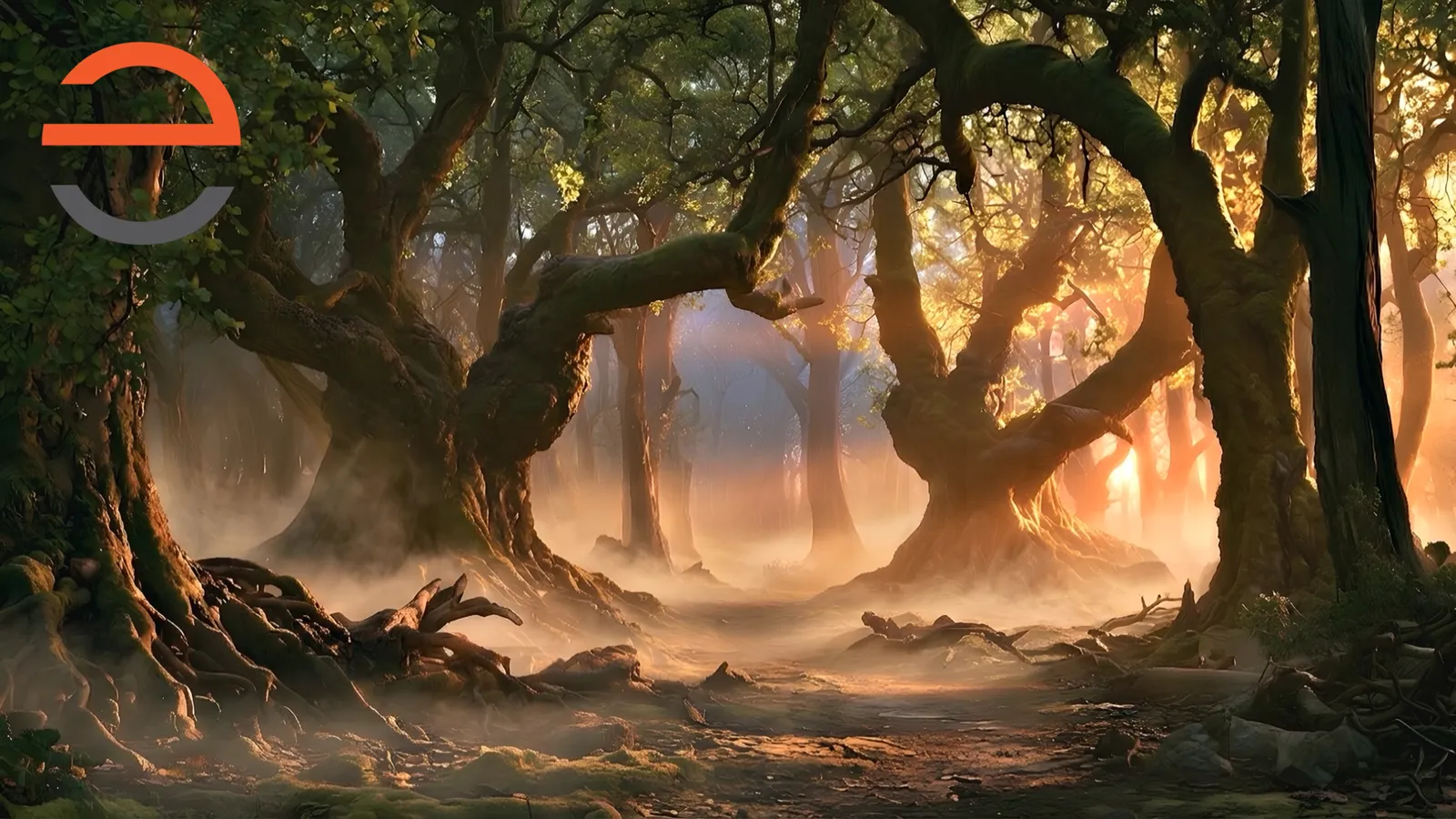
Into the Woods posed a different kind of question, since "the woods" isn't a real place we could research directly - it's a fairy-tale space that has to feel both familiar and unsettling. We leaned on fog deliberately there, not as a default atmospheric effect but as a storytelling choice: the woods needed to feel like they were hiding something, and drifting fog does that work without a single line of dialogue.
Matilda: Power, Not Place
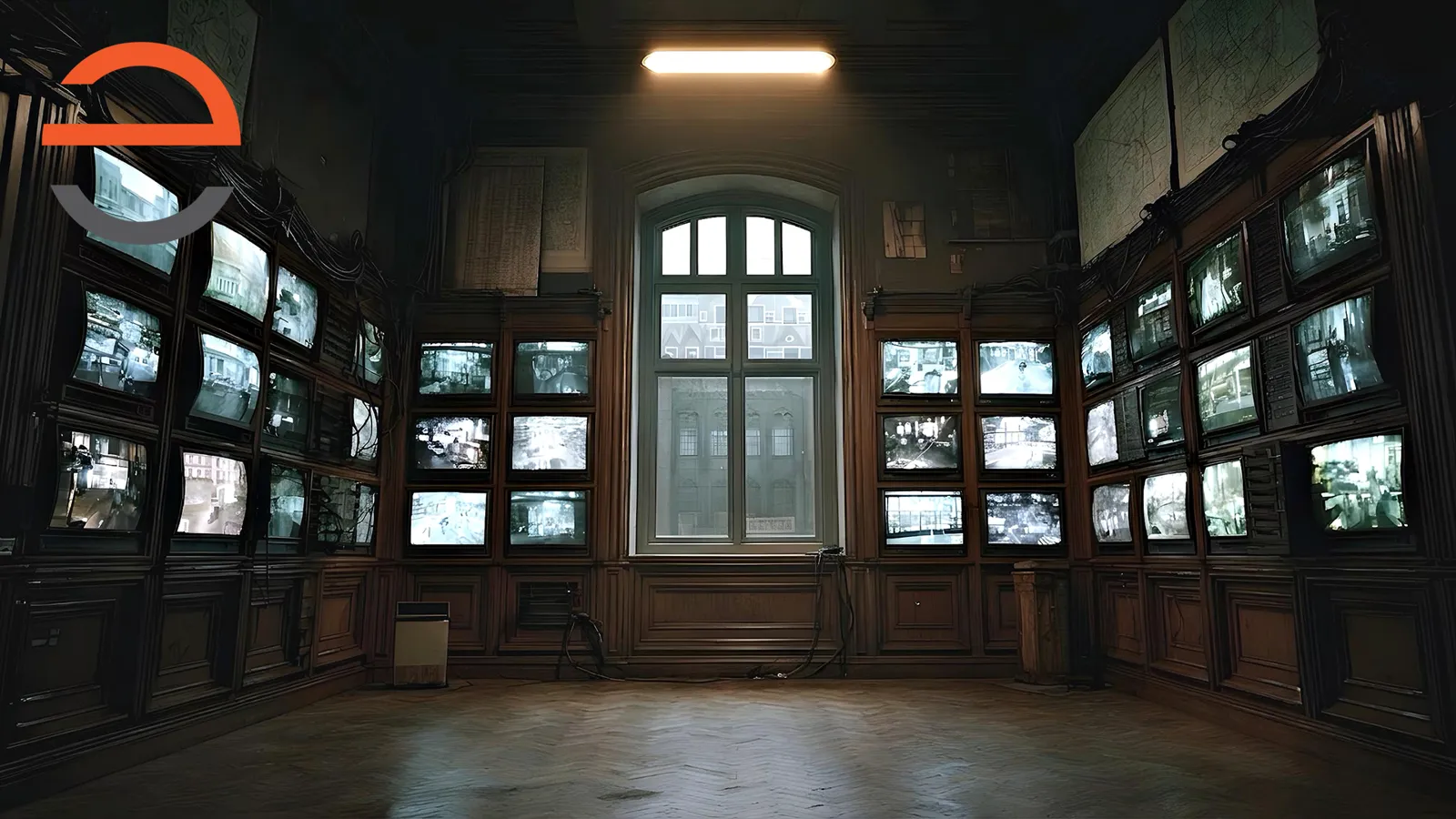
And for Matilda, the breakdown question wasn't about a real place at all - it was about power. Miss Trunchbull's office needed to feel intimidating before she ever says a word, so instead of a generic "scary headmaster" set, we built a wall of security monitors - the visual language of surveillance and control, which does more to establish who she is than any single set piece we could have chosen instead.
The Same Diligence, Every Time
None of this is reserved for the scenes everyone remembers. A show can have 40 scenes in it, and the breakdown treats all 40 with the same respect - because a director staging a small transitional moment needs that backdrop to be just as considered as the one behind the climactic number. Skipping the research on a "minor" scene is how a show ends up with twenty carefully built environments and five that feel like an afterthought. We don't build it that way.
That's the real work behind the work: before there's a single animated frame, there's a script that's been broken down scene by scene, a list of questions asked of every one of them, and real research behind every location, every creature, every atmospheric choice - so that by the time we start animating, we already know exactly what we're building and why.
It's not magic, it's production.
- James