How We Animated Frozen's Transformation Moments for Live Theater Cues
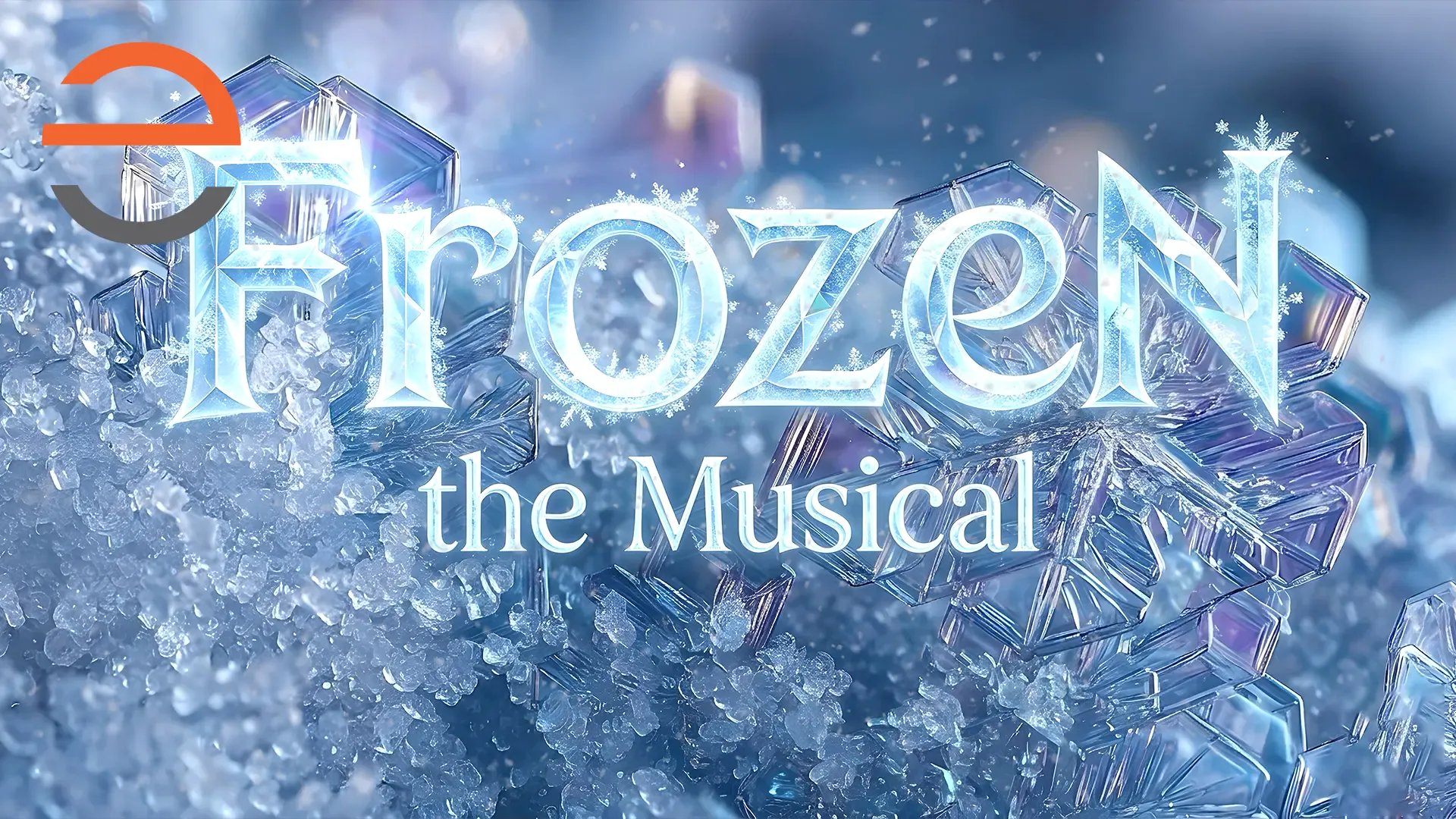
As the team launched preproduction on the musical Frozen, we quickly saw our first challenge. We realized every production of Frozen must solve the same problem: how do you make magic happen live, on cue, on a schedule a director doesn't fully control. A transformation that must hit on a specific lyric or blocking cue can't run on a fixed timer — it must be ready the instant the director needs it, and not a second before or after.
That's the problem we built “cued scenes” to solve — and Frozen needed it more than most, with six separate transformation moments built this way across the show.
The concept is simple, but it took real testing to get right. Instead of one continuous animated clip, each transformation sequence is built as three matched scenes, every one a 2-minute loop designed to play as long as needed (endlessly) and seamlessly until the director calls for it:
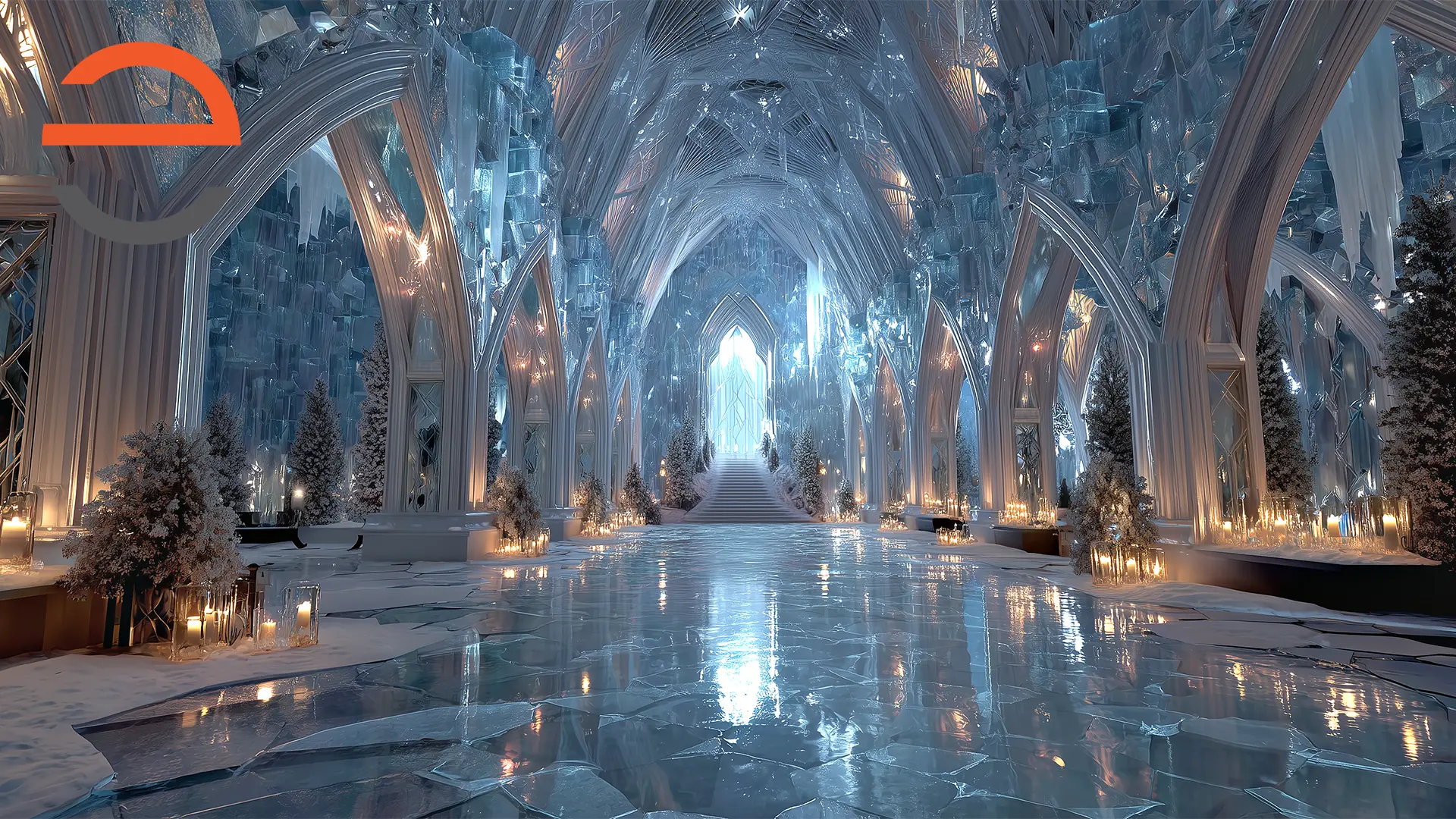
1. The base scene
The “before” state, looping cleanly for as long as the scene needs to hold.
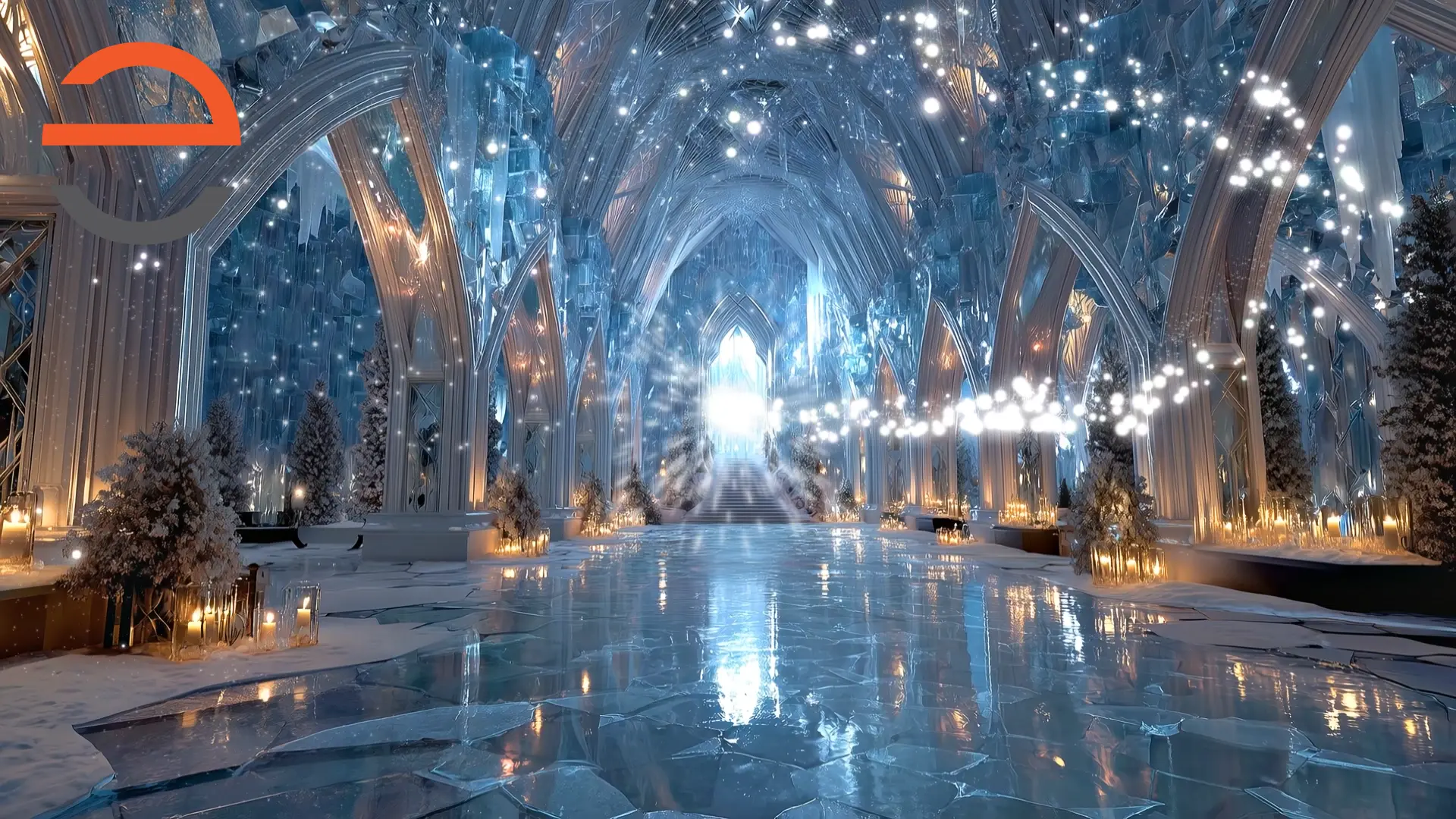
2. The effect scene
In film production we call it a match frame. Pixel-for-pixel the same shot, but with the magical transformation layered over it, ready to dissolve in the moment the director calls it. This scene also loops. Need 6 seconds? No problem. Need 60 minutes? Again, no problem.
3. The resolution scene
The “after” state, which the effect dissolves into once the transformation completes.
Take the moment Elsa releases her magic on the North Mountain to create her Ice Palace. The base scene shows the North Mountain as it always looks. The moment Elsa's magic is unleashed, the operator clicks to the effect scene, and a burst of magic sweeps across that same mountain. When the moment is ready to land, the operator clicks to the resolution scene — Elsa's Ice Palace, fully formed. To the audience, it's one continuous transformation, timed exactly to her performance.
Because each scene loops seamlessly at 2 minutes, there's no visible seam or restart to manage — the base scene can run through an entire long dialogue passage or a single held beat, and the transition still only happens the instant the director wants it seen. Across all six transformation sequences in Frozen, this technique keeps the magic entirely in the director's hands. This technique is relied upon in many of our shows.
The effects themselves are built in our edit suite, using multiple layers, custom motion paths and third-party plug-in particle generators. Elegant particle trails timed and shaped scene by scene rather than dropped in as a stock effect.
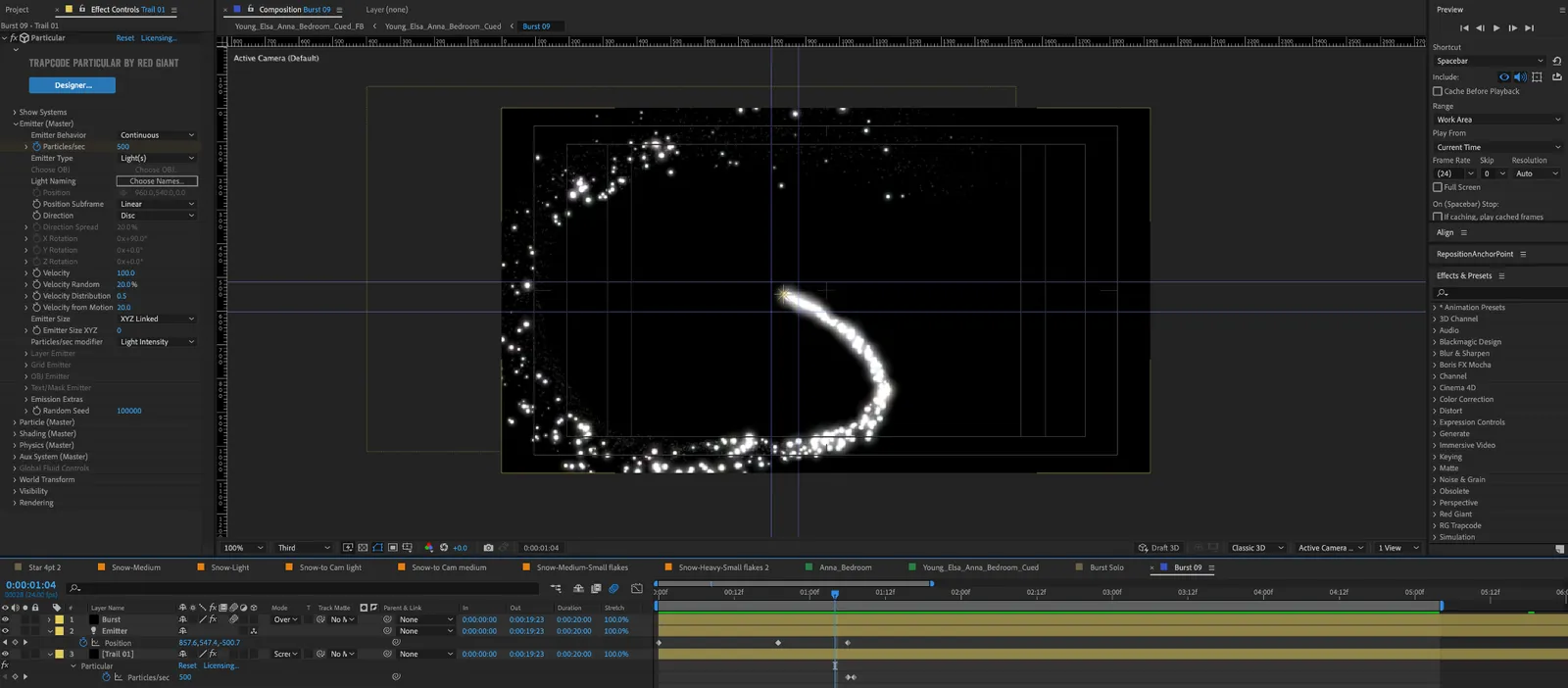
It's slow, detailed work, but it's what makes each transformation feel like it belongs to this production rather than a generic template.
For directors, the payoff is flexibility most digital scenery doesn't offer: you're not locked into a fixed video length or a single interpretation of when the “magic moment” happens. You cue it live, exactly where your blocking and your cast need it, consistent and stable, throughout your show.
It's not magic, it's production.
- James