
What Is Projection Design for Theatre? A Director's Guide
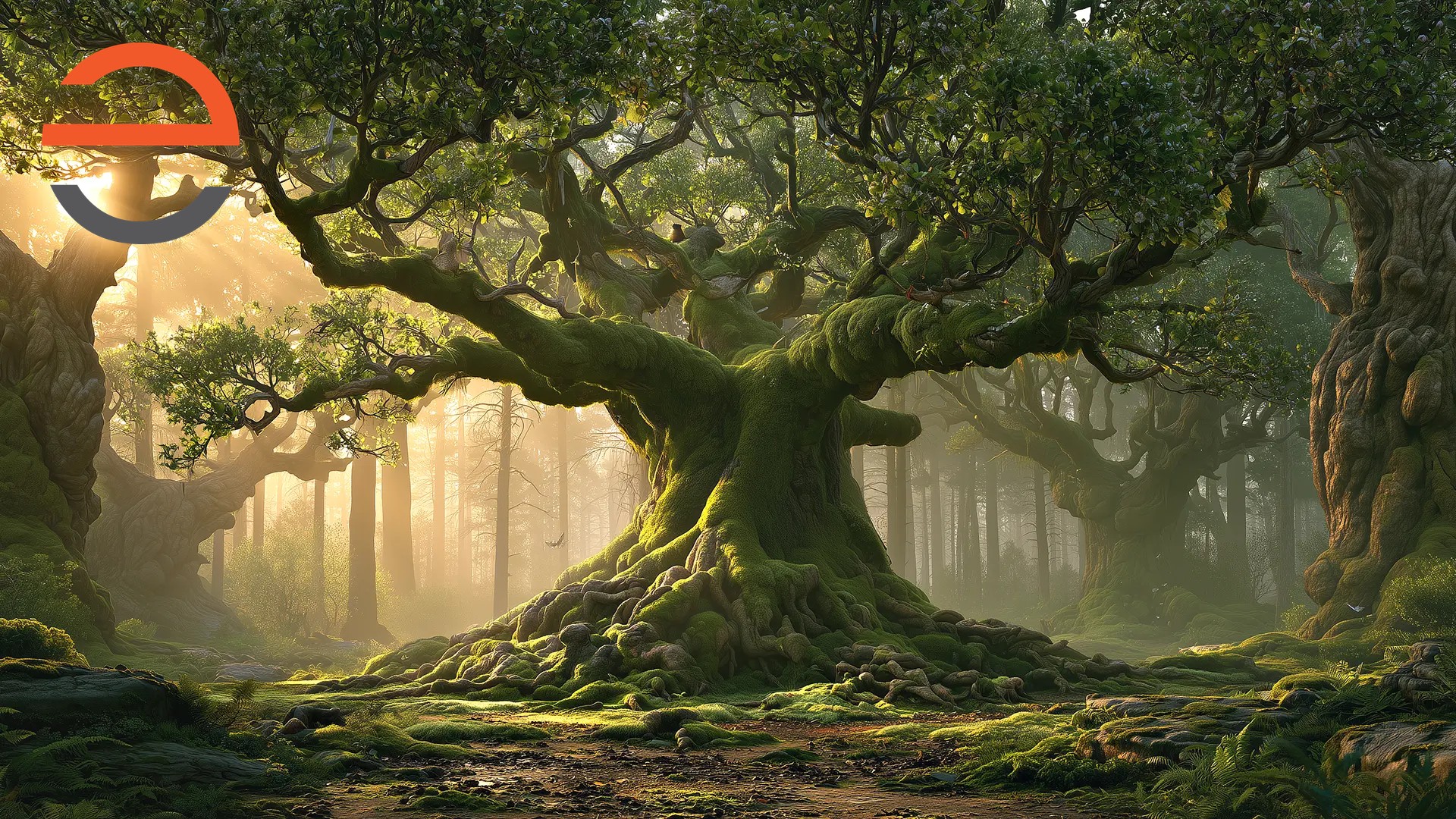
If you direct or design for the stage, you've heard projection design mentioned more and more - often alongside terms like digital scenery, theatrical projections, and digital backdrops. The jargon piles up and gets in the way of a simpler question: what can projected images actually do for a live show?
Projection design is the art of using projected images as part of the set - not a flat movie playing behind the actors, but scenery that changes, reacts, and moves with the story.
This guide covers what projection design for theatre is, how a scene is built, and what to think about before you put it on your stage.
So What Is Projection Design, Exactly?
Projection design means using projected images as part of the set, on purpose, as a design choice rather than as decoration. The image is the set - or a layer of it - and it does the work a built piece of scenery would normally do: telling the audience where they are, when it is, and how a moment should feel.
The key word is design. A slideshow of pretty pictures played behind actors isn't projection design. Real projection design is cued, timed to the action, and built so each scene serves the story the director is telling.
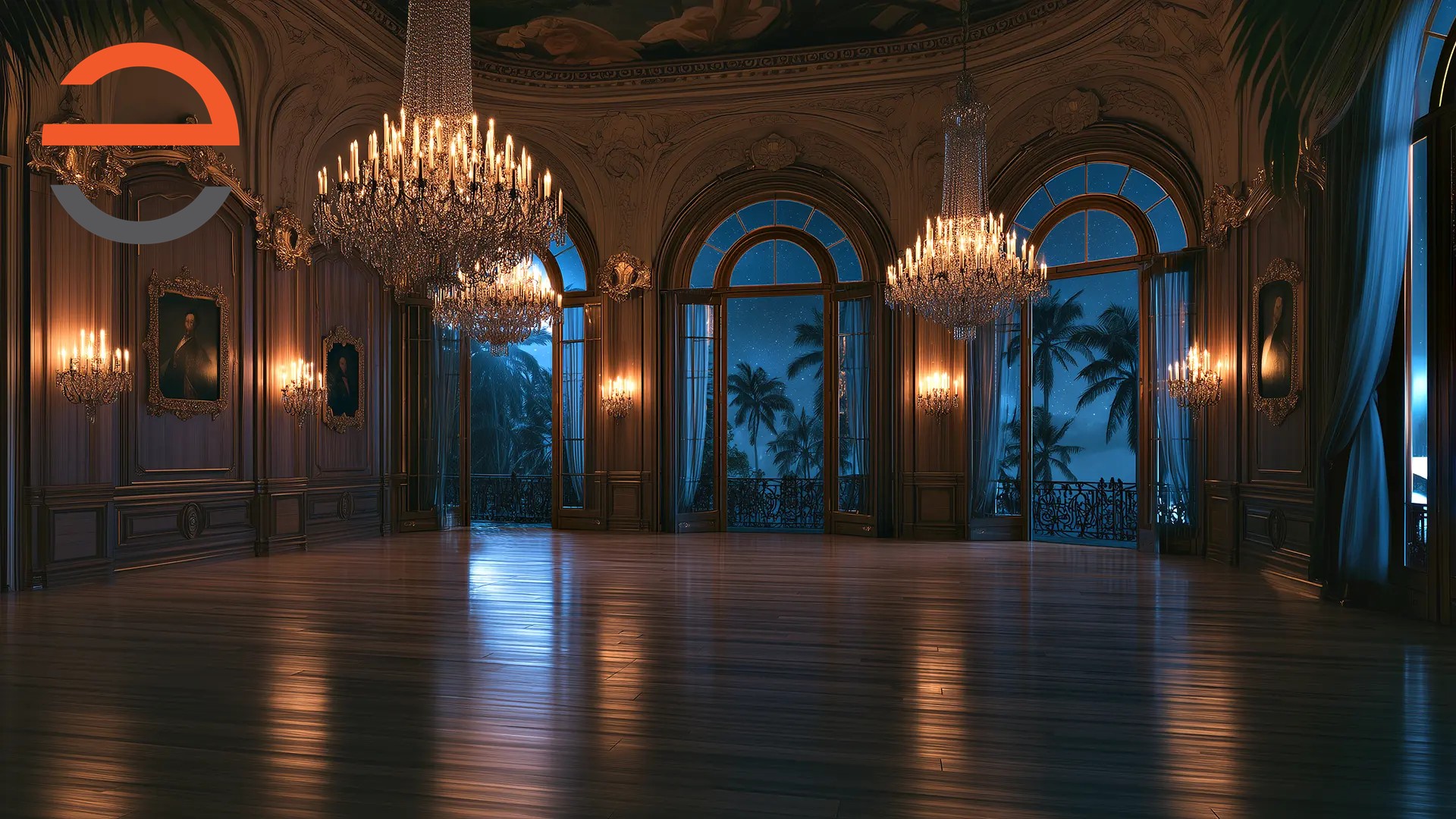
It's not one technique, either. It can cover a whole stage with a single environment, add effects a physical set never could, or quietly shift the mood of a scene without a single piece of flown scenery. Above is a full ballroom rendered as a projection - an entire place that exists only as light on a surface.
What Projection Design Can Do for a Show
Done well, projection design earns its place by solving real staging problems. A few of the biggest ones:
Place - take the audience anywhere. A tropical shore, a gothic castle, the open ocean. Locations that are expensive, impractical, or impossible to build become a single cue away.
Time and weather - the same location can read as morning, midnight, storm, or calm just by changing light and color. The set never physically changes, but the world on stage does.
Transformation - a scene can change in front of the audience on a cue. A palace can freeze over, a forest can darken, a city can come to life. This is where projection design moves scenery in ways built sets simply can't.
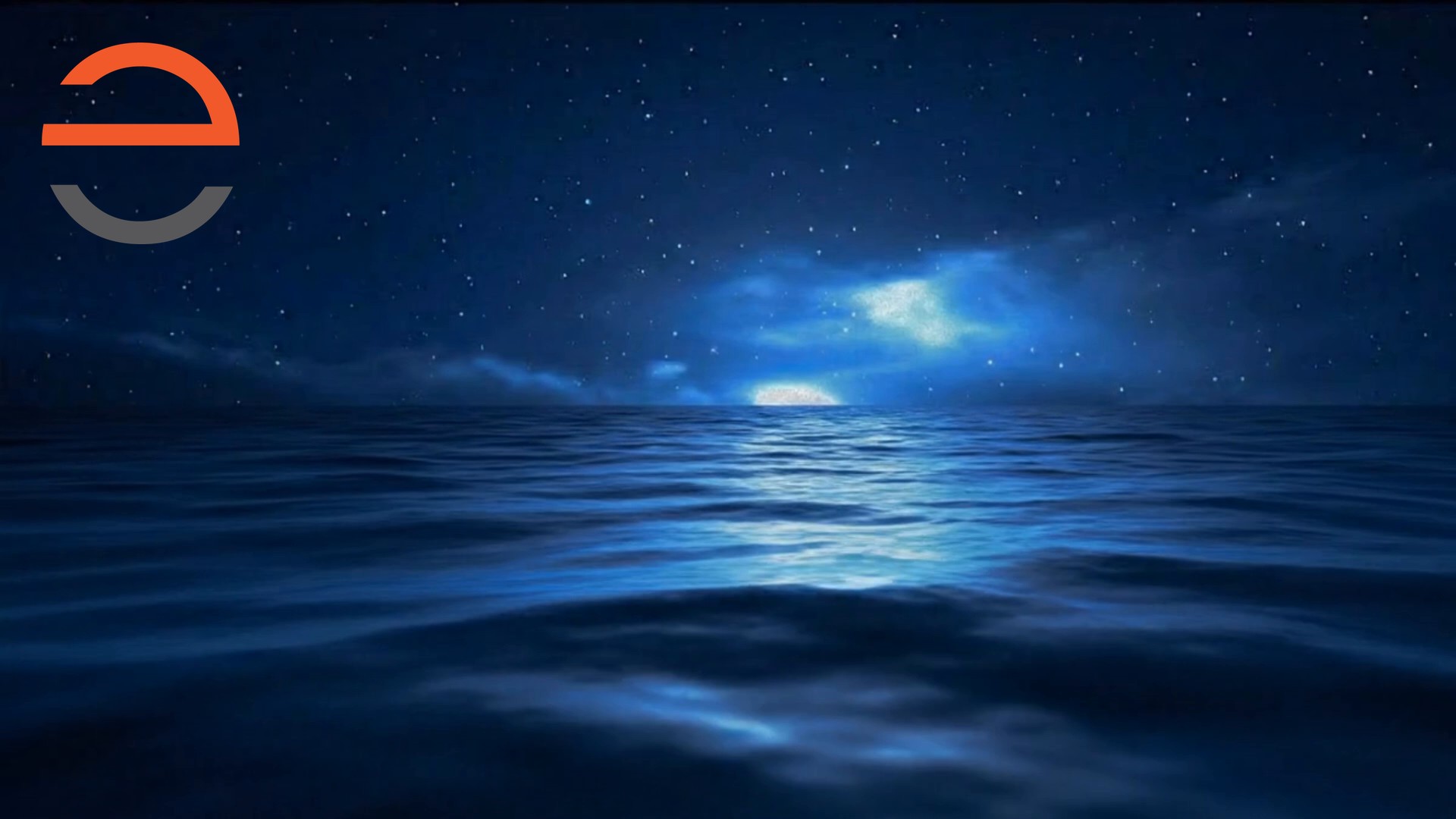
Scale - vast, impossible spaces - an open sea at night, a mountain range - are rendered as a backdrop, giving a small stage the sense of a much larger world.
Continuity - a consistent visual world across every scene keeps a production feeling whole, even when the action jumps between locations.
Backdrops, Projections, Digital Scenery - What's the Difference?
These terms get used interchangeably, and for a director that rarely matters. But if you're shopping for scenery, a quick map helps:
A digital backdrop is a still (or gently looping) image projected behind the action - the digital version of a painted drop. It sets a place and a mood and mostly holds still.
Theatrical projections is the broad umbrella: any projected imagery used on stage, still or moving.
Digital scenery goes further - it's projected imagery built to behave like a set: cued scene by scene, layered with effects, and timed to the performance. That's what we build.
Projection design is the craft behind all of it - the choices that turn images into storytelling.
How a Scene Is Built
Every scene starts as a rendered environment - built like a film shot, not a still photo. We model the place, light it, and grade the color to land the mood the director wants before a single cue is written.
Then it's layered. A base environment carries the place; on top of it sit the effects - light shifts, fog, particles, moving water - each on its own layer so they can be triggered independently. A palace can sit calm, then ignite with ice magic on a cue, without the base image being rebuilt.
Finally it's optimized for the stage. Projections are compressed and framed so they play cleanly off a projector and land on the surface the way a director expects - bright enough, sharp enough, and timed to the moment.
One Backdrop, Many Moods
One of the biggest strengths of projection design is how much mileage you get from a single world. The same forest can feel safe in golden light, ominous in cool blue fog, or storybook-bright on a sunlit path - all by changing light, fog density, and color grading rather than building a new set.
We go deep on this in our breakdown of Into the Woods, where one continuous forest carries more than a dozen distinct emotional spaces. The principle is the same for any show: design one believable world, then let light and color move the audience through it.
It's Cued, Not Just Played
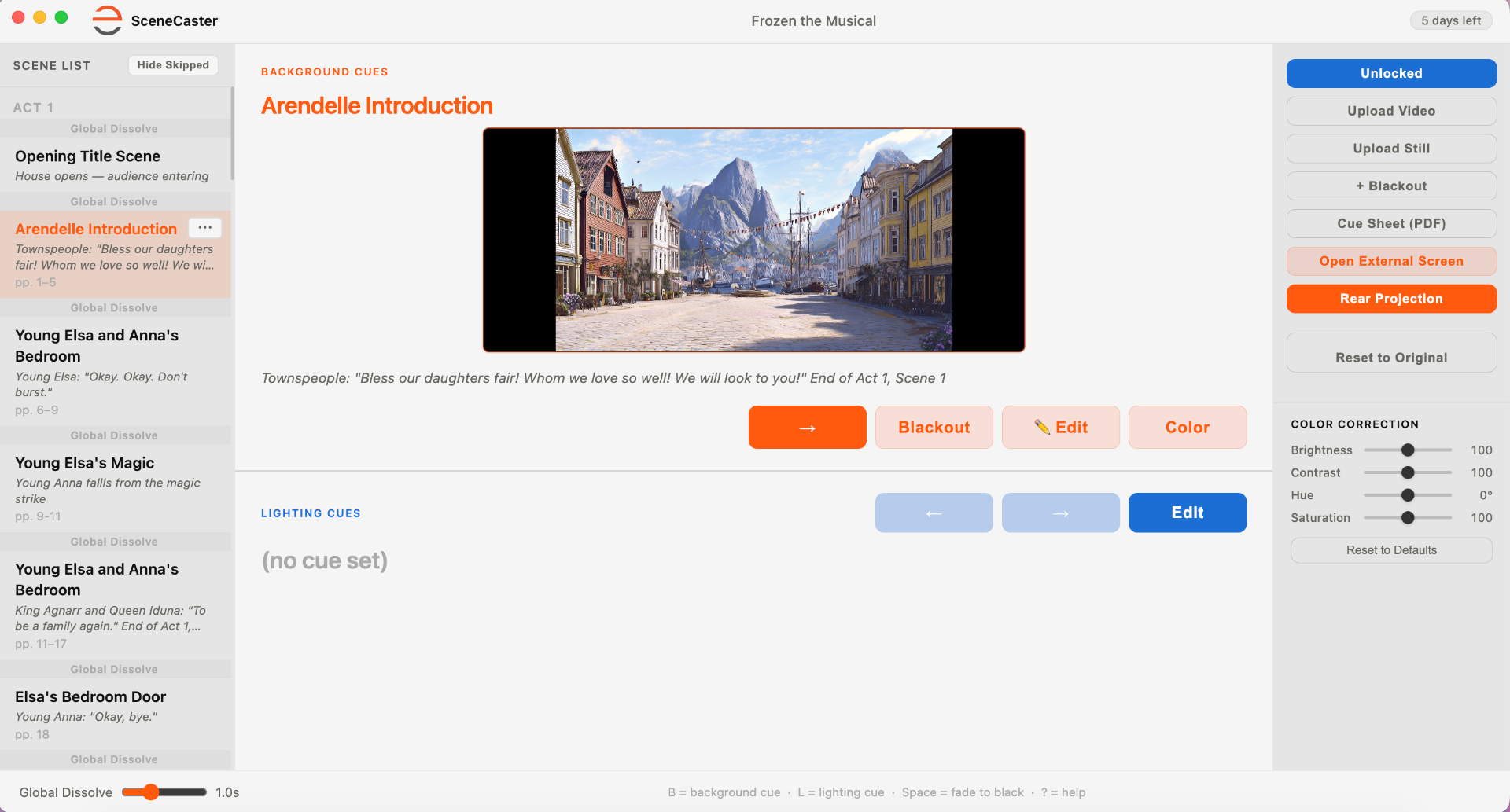
This is the part that makes projection design a live discipline rather than a video playback. Every scene is a cue - triggered by an operator in the booth, timed to the lighting and sound the same way a set change or a fly cue would be.
That control is what lets a transformation land exactly when the director wants it. The magic doesn't just start whenever the clip gets to it; it happens on the beat, on the line, on the moment the story needs it.
Our scenes are built to run through SceneCaster (shown above), which lays out each scene as a cue alongside lighting notes, so the booth operator can run the show the way they run every other cue.
Is Projection Design Right for Your Production?
For most school, community, and regional productions, the answer is yes - and it's more affordable and flexible than the equivalent built scenery. A few practical things to weigh:
Surface - you need something to project onto: a screen, a cyc, a painted wall, or a treated set piece. It doesn't have to be fancy; it has to be the right size and texture for your venue.
Projector and throw - a reasonably bright projector, positioned so it covers your surface without shadowing the actors, is the main hardware. Many venues already have what they need.
Venue size - projection scales. The same scenes that fill a small black box can fill a large stage, which is part of why it works from schools up to professional houses.
Budget - because you're buying scenes rather than building and storing physical sets, you can stage a far wider range of locations for a fraction of the build cost.
What to Ask Before You Start
If you're considering digital scenery for a show, a handful of questions will tell you whether you're ready:
What does each cue need to do? Set a place, change a mood, or trigger a transformation? Knowing the job shapes the whole build.
Do you have a projection surface? A screen, cyc, or wall that reads well under projection.
Who runs the cues? Projection design is live - someone needs to call it, just like any other cue.
Have you tested it in your venue? Projectors, surfaces, and stage lighting all interact. Testing a scene on your equipment, in your space, is the single best way to know it'll work on opening night.
That last point is why we send free preview scenes. You can run a few of our scenes on your own gear, in your own venue, before you commit to anything - just ask.
The Short Version
Projection design for theatre is the craft of using projected imagery as scenery - cued, timed, and built to serve the story scene by scene. It can take your audience anywhere, change a mood in an instant, and give a small stage the sense of a much bigger world, often for less than the equivalent built set.
If you'd like to see how it plays on your stage, we'll send you free preview scenes from your show so you can test them in your venue and on your equipment.
- James
Frequently Asked Questions
What is projection design in theatre?
Projection design is the craft of using projected imagery as part of the set - cued, timed to the action, and built so each scene serves the story. Unlike a slideshow played behind actors, projection design treats the image as scenery: it tells the audience where they are, when it is, and how a moment should feel.
What is the difference between a digital backdrop and digital scenery?
A digital backdrop is a still or gently looping projected image - the digital version of a painted drop. Digital scenery goes further: it's projected imagery built to behave like a set, cued scene by scene, layered with effects, and timed to the performance.
Do I need special equipment for projection design?
You need a projection surface (a screen, cyc, or suitable wall), a reasonably bright projector positioned to cover that surface, and someone to run the cues live from the booth. Many venues already have what they need, and the same scenes scale from a small black box to a large stage.
Is projection design affordable for schools and community theatres?
Yes. Because scenes are licensed rather than built, you can stage a far wider range of locations for a fraction of the cost of building or renting physical sets - with nothing to ship, store, or throw away after strike.